
Ask Vic and Amy · Question 03 of 10
How do docks and private-boat-slip permitting work on Lake Norman?
Mooresville and the Lake Norman area · Updated November 2026
The short answer
Dock permitting on Lake Norman is layered. Duke Energy owns the lakebed and must approve any new dock, pier, boat lift, or significant change through its shoreline management process, and your county or town adds its own zoning, setback, and electrical permitting on top. There is no one-size fee or timeline, and requirements change, so verify the current process before you commit to a property or a build.
The full answer
Duke Energy approves the dock itself
Duke Energy owns the reservoir and the lakebed and operates it under a federal license, so it is the primary reviewer for anything built in the water. Any new dock, pier, boat lift, boat slip, pilings, roofing, or major modification, and many repairs, require prior approval through Duke's Lake Access Permit System, with a site plan, photos, proof of ownership, and a filing fee.
Every shoreline parcel carries a classification that governs how large a dock can be and where it can sit, and covered or enclosed boathouses are generally restricted. Review times vary by scope, so a dock you plan to add should be part of your timeline and your due diligence, not an afterthought.
The local and state layers on top
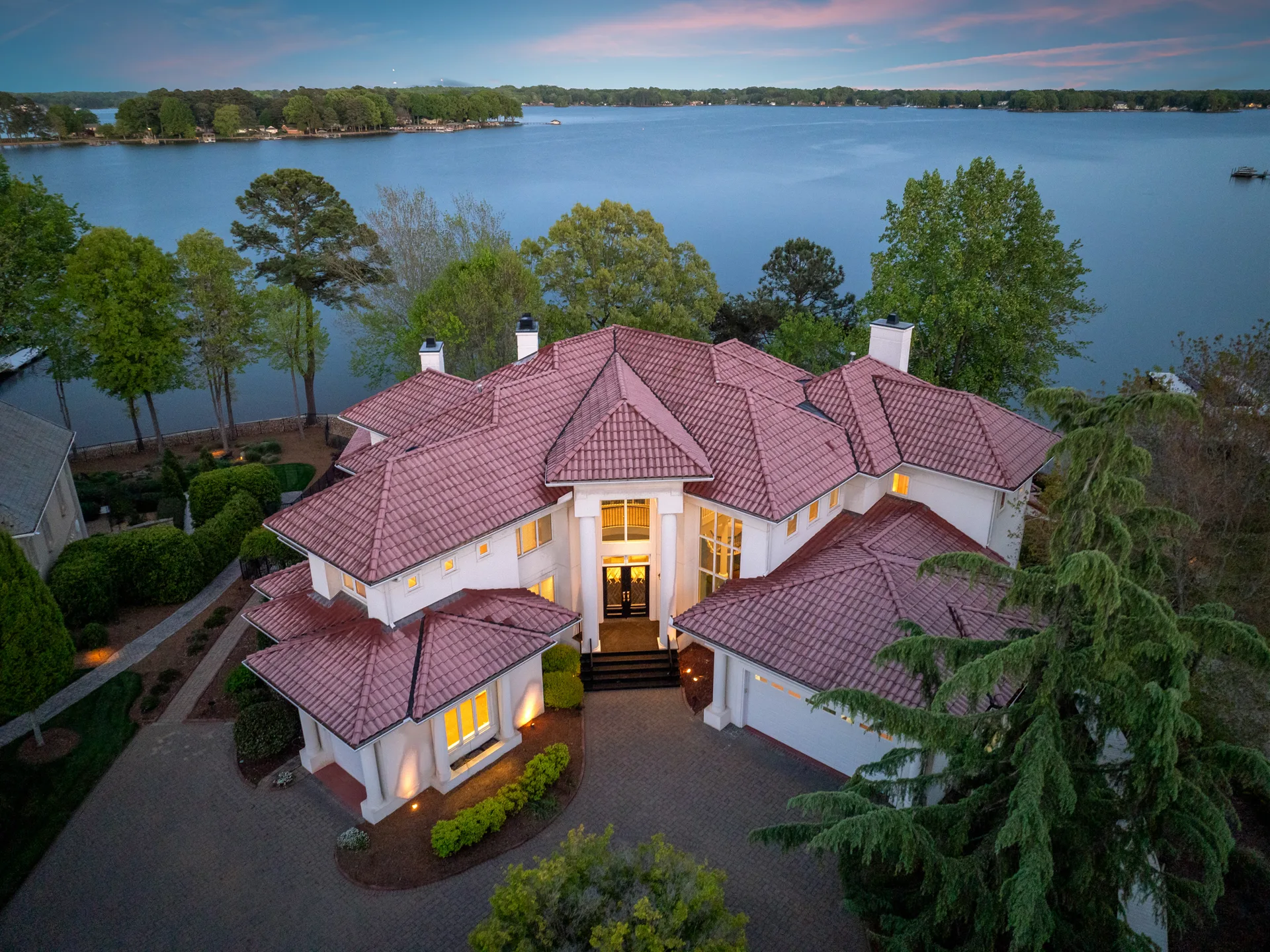
Duke permits the structure in the water, but your county and town still apply land-use rules to the shore: zoning, shoreline setbacks, limits on impervious surfaces on the lot, and the permit for the electrical service that powers the dock. Because 102 Eastham Ct sits in Mooresville, the relevant reviews are those of the Town of Mooresville and Iredell County.
The state and federal layers add few steps for a standard dock. Most private docks do not need a federal permit; dredging or significant lake-bottom work can. The coastal CAMA permitting program does not apply here because Lake Norman is inland. Fees, forms, and wait times change, so confirm the current steps with Duke Energy and your local permitting office.
What buyers should verify
During due diligence, confirm that the existing dock, lift, and seawall have the permits on record they should, review the permit conditions, and check the depth of the slip and the condition of the structure. An unpermitted or aging dock can carry both liability and significant replacement cost, so it is worth professional inspection.
Confirm what a seller can transfer. Because Duke Energy holds the lakebed, dock rights are tied to the shoreline parcel and its approved permit, and your title work should confirm what passes to you at closing. Verify the current process with Duke Energy's shoreline team as of your purchase date rather than relying on how it worked in a past year.
Verify current details
Permit requirements, fees, and review times for Lake Norman are set by Duke Energy and local governments and change over time. As of November 2026, check Duke Energy's shoreline services and your local permitting office for the current process.
Still have a question?
Ask Vic and Amy directly about the lake, the market, or your next move.